
Blog
Tamarind seed powder (Tamarind Gum) : A Pharmaceutical Overview
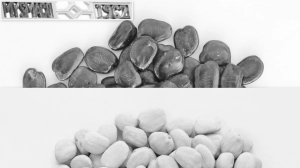
Tamarind seeds or Kernel is a byproduct of tamarind pulp industry. Tamarind gum is obtained from endosperm of seeds of the tamarind tree, which is a seed gum with potential industrial applications.
Introduction:
Gums and Mucilages are polysaccharide complexes formed from sugar and uronic acid units. They can absorb large quantity of water and swell. They find wide range of pharmaceutical applications that includes their use as binder, disintegrants in tablets, emulsifiers, suspending agents, gelling agents and also used as sustaining agents in tablets.1 Synthetic hydrophilic polymers are used more often than natural polymers, but because of cost associated with synthetic polymers, researchers are now showing interest in natural polymers (Non-Synthetic) such as gums. Tamarind (Tamarindus Indica L.) is amongst the most common and commercially important, large evergreen tree that grows abundantly in dry tracks of central and south Indian states, also in other south east asian countries. The pulpy portion of fruit is mainly used as acidulant in Indian receipes.2 Tamarind seeds or kernel is a byproduct of Tamarind pulp industry. Tamarind gum is obtained from endosperm of seeds of the tamarind tree, which is a seed gum with potential industrial applications. Tamarind gum or tamarind kernel powder came into commercial production in 1943 as a replacement for starch in cotton sizing in Indian textile market.3 It is also used in microbial production of lipids.4 It is an important sizing material for textile, a good creaming agent for concentration of rubber latex used as a soil stabilizer, a rich source of proteins and amino acids.5 Moreover tamarind kernel powder may also be used as a feed for cattle and pigs.6 It is also used as food ingredient.7 Currently purified and refined tamarind kernel powder is produced and permitted in Japan as a thickening, stabilizing and gelling agent in the food industry.5 Gum solution of good adhesive strength from tamarind gum and sisal fibers were prepared which have potential industrial applications such as for false roofing and room partioning.8Tamarind gum is used as a creamer for latex, in explosives, in borax printing and paper manufacturing. It is also used as stabilizer in ice creams and as an emulsion textile paste. Thus tamarind gum is having applications in paper, food, textile industry etc. Recent years research has been initiated on the use of tamarind gum in pharmaceutical and cosmetic applications. This review specifically focused on pharmaceutical overview of tamarind gum.
Chemical composition:
The composition of tamarind kernel, the source of gum, resembles the cereals.9 With 15.4 % to 12.7 % protein, 3-7.5 % oil, 7-8.2 % crude fiber, 61-72.2 % nonfiber carbohydrates, 2.45-3.3 % ash; all were measured on a dry basis.3 Chemically tamarind kernel powder is highly branched carbohydrate polymer.10 Its backbone consists of D-glucose units joined with (1-4) b-linkages similar to that of cellulose. It consists of a main chain of b-D- (1-4)-galactopyranosyl unit with a side chain of single xylopyranosyl unit attached to every second, third and fourth of D-glucopyranosyl unit through a-D- (1-6) linkage (as shown in Fig 1). One galactopyranosyl unit is attached to one of the xylopyranosyl units through b-D- (1-2) linkage. The exact sequential distribution of branches along the main chain is uncertain.
Physical properties:
Tamarind kernel powder disperses and hydrates quickly in cold water but does not reach maximum viscosity unless it is heated for 20-30 mins. The solution exhibits typical nonnewtonian flow properties common to most other hydrocolloids. The functional properties of tamarind kernel powder of protein concentrates were reported.The rheological properties of tamarind kernel powder suspension showed that suspension behaved like nonnewtonian, pseudoplastic fluid with yield stresses and exhibited thixotropic characteristics. An increasing concentration produces increase in nonnewtonian behavior as in consistency latex, yields stress and apparent viscosity.
Pharmaceutical applications:
1. Dissolution improvement
Tamarind kernel powder is evaluated for its suitability as a carrier to improve the dissolution rate of poorly water-soluble drug Celecoxcib. Influence of polysaccharide concentration and method of preparation of solid mixtures on dissolution rates was investigated. Order of dissolution efficiencies was found to be solvent deposition > cogrinding > kneading > physical mixing > pure celecoxcib.
2. Nasal Mucoadhesion
Tamarind gum along with xanthan gum and hydroxypropyl cellulose (water soluble neutral polymer) used for nasal mucoadhesion studies in powder formulation. Result of this study suggested that the residence time of drug in nasal cavity may be prolonged by using hydroxypropyl cellulose, xanthan gum and tamarind gum as a base for powder preparation of intranasal administration and residence time may be controlled by mixing two or more polymers differing in mucoadhesion.
3. Bioadhesive Tablet
Tamarind gum was also evaluated in bioadhesive tablets. It was showed that lactoferrin tablet prepared with tamarind gum showed longest residence time in oral cavity as compared with xanthan gum and carboxymethyl cellulose but an unpleasant taste gradually developed.
Tamarind seed polysaccharide:
Polysaccharide present in tamarind kernel powder is called as tamarind seed polysaccharide. Tamarind seed polysaccharide is having molecular weight 52350 units and monomer of glucose, galactose and xylose in molar ratio of 3:1:2.18 Various methods have been reported for isolation of tamarind seed polysaccharide from tamarind kernel powder.19, 20 It is insoluble in organic solvents and dispersible in hot water to form a highly viscous gel such as mucilageneous solutions with a broad pH tolerance and adhesivity.21 In addition it is nontoxic and nonirritant with haemostatic activity.22 Recently tamarind seed polysaccharide is widely used for pharmaceutical applications.
Pharmaceutical applications of tamarind seed polysaccharide:
1. Binder in tablet dosage form
Evaluations of tamarind seed polyose as a binder for tablet dosage forms was taken up for the weight granulation as well as direct compression methods. The results indicated that tamarind seed polyose could be used as binder for weight granulation and direct compression tableting methods.
2. In Ophthalmic drug delivery
Tamarind seed polysaccharide is used for production of thickened ophthalmic solutions having a pseudoplastic rheological behavior and mucoadhesive properties. Said solution is used as artificial tear and as a vehicle for sustained release ophthalmic drugs. The concentrations of tamarind seed polysaccharide preferably employed in ophthalmic preparations for use as artificial tears i.e. a products for replacing and stabilizing the natural tear fluid, particularly indicated for the treatment of eye syndrome are comprised between 0.7-1.5 % by weight. The concentrations of tamarind polysaccharides preferably employed in the production of vehicles (i.e. delivery system) for ophthalmic drugs having the function of prolonging the prevalence time of medicaments at their site of actions are comprised between 1 and 4 % by weight.24
3. In sustained drug delivery
It is used as potential polysaccharide having high drug holding capacity for sustained release of verapamil hydrochloride. The release pattern was found to be comparable with matrices of other polysaccharide polymers such as ethyl cellulose, hydroxyethyl cellulose and hydroxypropylmethyl cellulose, as well as the commercially available sustained release tablets (isoptin SR).25 It is also used as suitable polymer for sustained release formulations of low drug loading.23 Sustained release behaviors of both water soluble (acetaminophen, caffeine, theophylline and salicylic acid) and water insoluble (indomethacin) drugs on tamarind seed polysaccharide was examined. Studies showed that tamarind seed polysaccharide could be used for controlled release of both water-soluble and water insoluble drugs. Zero order release can be achieved taking sparingly soluble drugs like indomethacin from tamarind seed polysaccharide. The rate of release can be controlled by using suitable diluents like lactose and microcrystalline cellulose. For water-soluble drugs, the release amount can also be controlled by partially crosslinking the matrix. The extent of release can be varied by controlling the degree of crossslinking. The mechanism of release due to effect of diluents was found to be anomalous and due to crosslinking was found to be supercase II.26
4. In Ocular drug delivery
Tamarind seed polysaccharide was used for ocular delivery of 0.3 % rufloxacin in the treatment of experimental pseudomonas aeruginosa and staphylococcus aureus keratitis in rabbits. The polysaccharide significantly increases the intraocular penetration of rufloxacin in both infected and uninfected eyes. Polysaccharide allows sustained reduction of S. aureus in cornea to be achieved even when the time interval between drug administrations was extended. The results suggested that tamarind seed polysaccharide prolongs the precorneal residence time of antibiotic and enhances the drug accumulation in the cornea, probably by reducing the washout of topically administered drugs.27
5. In controlled release of spheroids
Tamarind seed polysaccharide was used as release modifier for the preparation of diclofenac sodium spheroids using extrusion spheronization technique with microcrystalline cellulose as spheronization enhancer. It was found that release was sustained over a period of 7.5 hour. A credible correlation was obtained amongst swelling index, viscosity, and surface roughness of the polysaccharide particles and in vitro dissolution profile of spheroids. In the comparative bioavailability study the developed spheroids have able to sustained drug release and also was found to improve the extent of absorption and bioavailabillity of drug.
References:
- 1)Kulkarni GT, Gowthamarajan K, Brahamajirao, Suresh B. Evaluation of binding properties of selected natural mucilages. J Sci Ind Res. 2002; 61: 529-32.
- 2)Shankaracharyan B. Tamarind-Chemistry, technology and uses: A critical appraisal. J Food Sci Technol. 1998; 35(3): 193-208.
- 3)Gerarad T. Handbook of Water soluble gums and resins. New York : McGraw Hill; 1980, Chapter 23.
- 4)Jambhulkar V, Shankhapal KV. Effect of minerals on lipid production byRhizopus nigricans and Penicillium nigricans on tamarind kernel powder. J Food Sci Technol. 1992; 29: 333-35.
- 5)Glicksman M. Tamarind seed gum in food hydrocolloids. Florida CRC Press. 1986; 3: 191-202.
- 6)Reddy DV, Prasad DA, Reddy BS, Charyulu EK. Effect of replacing maize with tamarind seed on rice polish on the performance characteristics and nutrients utilization by desi pigs. Indian J Animal Sci . 1986; 10: 118-22.
- 7)Forest Research Institute. Tamarind seed has many uses. Indian Farming 1955; 5(8):21-22.
- 8)Veluraja K, Ayyalnarayanasubburaj S, Paul Raj AJ. Preparation of gum from tamarind seed and its application in the preparation of composite material with sisal fibre. Carbohydr Polym. 1997; 34(4): 377-79.
- 9)Bose SM, Subramanian N. Bull Cent Food Technol Inst. 1954; 3: 66.
- 10) Shrivastava HC, Singh RP. Structure of polysaccharide from tamarind kernel. Carbohydr Res. 1967; 4: 326-42.
- 11) Kooiman P. Rec Trav Chim Pays-Bas. 1961; 80: 849.
- 12) Rao P. S. Shrivastava HC. Industrial Gums . 5th ed. New York : Whistler RC; 1973. Sponsored Links:
- 13) Rao KH, Subramanian N. Protein foods feeds. Proc Matt Symp. 1984; A67-A87.
- 14) Bhattacharya S, Bal S, Mukharjee RK, Bhattacharya S. Rheological behavior of tamarind kernel powder suspension. J Food Eng. 1991; 13: 151-58.
- 15) Babu GV, Gowrisankar V, Himasankar K, Murthy KV. Studies on applicability of tamarind kernel powder as a carrier in the dissolution enhancement of poorly water soluble drug celecoxib. Boll Chim Farm. 2003; 142(2): 76-82.
- 16) Nakamura Ota R, Machid Y, Nagai T. In vitro in vivo nasal mucoadhesion of some water soluble polymers. Int J Pharm. 1996; 134: 173-181.
- 17) Takahashi Y, Takeda C, Seto I, Kawano G, MarindaY. Formulation and evaluation of Lactoferin bioadhesive tablets. Int J Pharm. 2007; 343: 220-227.
- 18) Khanna M, Nandi RC, Sarin JP. Standardization of Tamarind seed powder for pharmaceutical use. Ind Drugs. 1997; 24: 268-69.
- 19) Takashi T, Kishiwada, Akira I. Kenji E, inventors; Shikibo Limited, Osaka , Japan assignee. Process for separating polysaccharides from Tamarind seeds. US patent. 4895938. 1990 Jan23.
- 20) Rao PS, Ghosh TP, Krishna S. Extraction and purification of Tamarind seed powder. J Sci Ind Res. 1946; 4: 705.
- 21) Baveja SK , Rangarao KV, Arora J. Examination of natural gums and mucialges as sustaining materials in tablet dosage forms. Indian J Pharm Sci. 1988; 80: 89-92.
- 22) Khanna M, Diwivedi AK, Singh S. Polyose from seed of Tamarindus Indica of unique property and immense pharmaceutical use. Trends Carbohydr Chem. 1997; 79-81.
- 23) Kulkarni D, Dwivedi AK , Singh S. Performance evaluation of Tamarind seed polyose as a binder in sustained release formulations of low drug loading. Indian J Pharm Sci. 1998; 60(1): 50-3.
- 24) Saetone MF, Burgalassi S, Giannaccini B, Bodrini E, Bianchini P, Luciani G. Ophthalmic solutions viscosified with Tamarind seed powder. PCT, Int Appl WO9728. 1997.
- 25) Kulkarni D. Dwivedi D. K., Sarin JP, Singh S. Tamarind seed polyose: A potential polysaccharide for sustained release of verapamil hydrochloride as a model drug. Indian J Pharm Sci. 1997; 59(1): 1-7.
- 26) Sumathi S, Alok R. Release behavior of drugs from tamarind seed polysaccharide tablets. J Pharm Pharmaceut Sci. 2002; 5(1): 12-18.
- 27) Emilia A, Arianna T, Paola D, et al. A mucoadhesive polymer extracted from Tamarind seed improves the intraocualr penetration and efficacy of Rufloxacin in Topical treatment at Experimental Bacterial Keratitis. Antimicro Agents Chem. 2004; 3396-3401.
- 28) Giriraj T, Kulkarni K, Gowthamarajan, et al. Development of Controlled release spheroids using natural polysaccharides as release modifier. Drug Delivery, 2005; 12: 201-206.
How We Are Different From Others
About Us
 ROOT Uncategorised
HOW WE ARE DIFFERENT FROM OTHERS
- Over 60 years of industrial experience in the field of manufacturing and supplying Tamarind kernel powder / Tamarind seed powder , Carboxy methyl tamarind kernel powder and tamarind based products
- Designed our own Manufacturing machinery Technology and perfected manufacturing process for tamarind kernel powder
- Member of Indian Bureau Of Standards TDC 12
- FSSAI certified company
- Largest exporters of tamarind kernel powder
- Shellac and Forest Products Export Promotion Council
- Customers choose us for Reliability ,Quality and Price
- High quality raw materials procurement to manufacture finest tamarind kernel powder
- Customised packaging with superior bags and woven sacks for damage free material.
- Testing and research Laboratory for examining product specification parameters
- Infrastructure with large capacity to manufacture only tamarind starches
Quality and Reliability Assurance:
We never compromise on the quality of products which we offer. Our quality assurance checks include inspecting raw materials quality, assemblies, production components and final products to meet the customer’s requirements and their product specifications. We guarantee delivery of products on time. We take pre-production checks seriously by validating lot of samples through tests to meet specified quality for manufacturing high quality products.
Glossary
Glossary
ROOT Uncategorised
1.ACID INSOLUBLE ASH
Acid Insoluble Ash consists primarily of silica and silicates.
2.ASH CONTENT
Ash Content refers to the mineral content of flour, and is determined by burning a given quantity of flour under prescribed conditions and measuring the residue. The mineral content varies and depends on many factors, such as the variety of product, the terrain, the fertilization, and the climate.
3.BROOKFIELD VISCOMETER
Brookfield Viscosity usually refers to a viscosity measurement performed with a Brookfield Viscometer, sometimes referred to as a Brookfield viscosimeter. There are several models of viscometer available from Brookfield but the majority operate in the same manner: the viscometer motor rotates the spindle at a defined speed (measured in rpm) or shear rate and the viscometer measures the resistance to rotation and reports a viscosity value. Various spindle designs can be employed, depending on the nature of the sample and the requirements.
4.CARBOXY METHYL STARCH
Carboxy Methyl Starch (CMS) is an important modified starch with unique properties due to the presence of negatively charged functional group and CMS has a wide range of applications in industries, mostly used for purposes of thickening, stabilization, water preserving...etc.
Another closed related material is carboxy methyl cellulose (CARBOXY METHYL CELLULOSE), which has been used intensively in similar industries. However, CMS not only has many advantages over CARBOXY METHYL CELLULOSE, but comes with a much lower price tag. Therefore, CMS is poising to replace CARBOXY METHYL CELLULOSE in many of industrial applications.
5.CRUDE OIL
Crude Oil refers to natural mineral oil found in seeds or in nature.
6.COLOUR
Colour is the property possessed by an object of producing different sensations on the eye as a result of the way it reflects or emits light.(Different shades and quality of tamarind kernel powder)
7.DE OIL TAMARIND KERNEL POWDER
De Oil is the process of removing or extracting oil from the raw material. Tamarind kernel powder is deoiled to stabilize its deteriorating colour and odor on storage.
8.DECORTICATED
Decorticated are normally refers to removal of the bark, rind, or husk from tamarind seeds.
9.FIBRE
Fibre is a dietary material containing substances such as cellulose, lignin, and pectin, that are resistant to the action of digestive enzymes.
10.FILTRATION
Filtration is the action or process of filtering something.
Or
Filtration is used to separate particles and fluid in a suspension, where the fluid can be a liquid, a gas or a supercritical fluid. Depending on the application, either one or both of the components may be isolated
11.GALACTOXYLOGLUCAN
Galactoxyloglucan(biochemistry) it is an amyloidglucan from the seeds that contains galactose and xylose and also it blend of galactose and xylose and glucan.
12.GRADE
Grade is originally used as a unit of measurement of angles (a degree of arc), the term later referred to degrees of merit or quality.
13.HDPE
High-Density Polyethylene (HDPE) or Polyethylene High Density (PEHD) is a polyethylene thermoplastic made from petroleum.
14.LIPIDS
Lipids are an organic compound belonging to a group of compounds that are not water-soluble and include animal fat, plant oils and waxes.
15.MESH
Mesh is referred as material size and often used in determining the particle-size distribution of a granular material.
16.MOISTURE
Moisture is dampness or an amount of water in the material.
Water Content or Moisture Content is the quantity of water contained in a material.
17.MODIFIED STARCH
Modified Starch, also called Starch Derivatives, is prepared by physically, enzymatically, or chemically treating native starch to change its properties and Starches are modified to increase their stability against excessive heat, acid, shear, time, cooling, or freezing; to change their texture; to decrease or increase their viscosity; to lengthen or shorten gelatinization time; or to increase their visco-stability
18.NATURAL POLYMERS
Natural Polymers or (Biopolymers) are polymers that occur naturally or are produced by living organisms (such as cellulose, silk, chitin, protein, DNA).
or
Natural Polymers or (Biopolymers) are polymers that occur naturally or are produced by living organisms (such as cellulose, silk, chitin, protein, DNA).
19.ODOUR
Natural Polymers is a distinctive attribute or characteristic possessed by something.
20.PACKAGING
Packaging is a process (such as cleaning, drying, preserving) and materials (such as glass, metal, paper or paperboard, plastic) employed to contain, handle, protect, and/or transport an article.
21.POLYMERS
Polymers are a substance which has a molecular structure built up chiefly or completely from a large number of similar units bonded together, Example: - many synthetic organic materials used as plastics and resins.
22.PECTIN
Pectin is a kind of polysaccharide that is obtained from plant such as citrus fruit peel, apple peel etc. Pectin is also a vegetable gum and food thickener that is used to make gel and almost every fruit based products such as jam, confectioneries, fruit drinks etc.
23.PH VALUE
In chemistry,pH (/piː eɪtʃ/ or /piː heɪtʃ/) is a measure of the acidity or basicity of an aqueous solution. Solutions with a pH less than 7 are said to be acidic and solutions with a pH greater than 7 are basic or alkaline. Pure water has a pH very close to 7.
24.PROTEINS
Proteins is an any of a class of nitrogenous organic compounds which have large molecules composed of one or more long chains of amino acids and are an essential part of all living organisms, especially as structural components of body tissues such as muscle, hair, etc., and as enzymes and antibodies.
25.POLYSACCHARIDE
Polysaccharideis a carbohydrate (e.g. starch, cellulose, or glycogen) whose molecules consist of a number of sugar molecules bonded together.
26.RAW MATERIAL
Raw Material is the basic material from which a final product is made.
Or
Raw Material is a basic substance in its natural, modified, or semi-processed state, used as an input to a production process for subsequent modification or transformation into a finished good.
27.RESIDUE
Residue is a small amount of something that remains after the main part has gone or been taken or used.
Or
Residue is a matter remaining after completion of an abstractive chemical or physical process, such as evaporation, distillation or filtration
28.STARCH
Starch is an odourless, tasteless white substance occurring widely in plant tissue and obtained chiefly from cereals and potatoes. It is a polysaccharide which functions as a carbohydrate store and is an important constituent of the human diet.
Or
Starch is a polysaccharide composed of glucose units that occurs widely in planttissues in the form of storage granules, consisting of amylase andamylopectin related adjective amylaceous.
29.TAMARIND
Tamarind (Tamarindus indica) (from Arabic: تمر هندي, romanized tamar hindi, "Indian date") is a leguminous tree in the family Fabaceaeindigenous to tropical Africa. The genus Tamarindus is a monotypic taxon, having only a single species.
30.TAMARIND FRUIT
The tamarind tree produces edible, pod-like fruit is called Tamarind Fruit which are used extensively in cuisines around the world.
Or
Tamarind Fruit is 3 - 8 inch long, brown, irregularly curved pods are borne in abundance along the new branches and contains certain health benefiting essential volatile chemical compounds, minerals, vitamins and dietary fiber.
Or
Tamarind Fruit is a sticky pulp which is rich source of non-starch polysaccharides (NSP) or dietary-fiber such as gums, hemicelluloses, mucilage, pectin and tannins.
31.TAMARINDUS INDICA
Tamarind (Tamarindus indica) (from Arabic: تمر هندي, romanized tamar hindi, "Indian date") is a leguminous tree in the family Fabaceaeindigenous to tropical Africa. The genus Tamarindus is a monotypic taxon, having only a single species.
32.HUSK
Husk (or hull) in botany is the outer shell or coating of a seed.
33.TAMARIND KERNEL
Tamarind Kernel is a natural hydrocolloid source, for it is containing starch and gum, the kernel can be changed in powder form to increase its utility.
34.TAMARIND KERNEL POWDER
Tamarind kernel powder (TKP) is a food grade natural polysaccharide and one of the cheapest gums, is derived from the seeds of tamarind tree fruits.
Or
Tamarind Kernel Powder is the powder made from tamarind kernels has been adopted by the Indian textile industry as 300% more efficient and more economical than cornstarch for sizing and finishing cotton, jute and spun viscose, as well as having other technical advantages. It is commonly used for dressing homemade blankets. Other industrial uses include employment in colour printing of textiles, paper sizing, leather treating, the manufacture of a structural plastic, glue for wood, a stabilizer in bricks, a binder in sawdust briquettes, and a thickener in some explosives.
35.THICKENERS
Thickeners or Thickening Agents are substances that are added to food preparations for increasing their viscosity without changing other properties like taste.
36.NATURAL GUM
Natural Gum is polysaccharides of natural origin, capable of causing a large increase in a solution’s viscosity, even at small concentrations.
37.TAMARIND SEED HUSK
Tamarind Seed Husk is a material consisting of seed coverings.
38.TAMARIND SEEDS
Tamarind Seeds are underutilized by product of the tamarind pulp industry.
Or
Tamarind Seeds are the seeds from tamarind fruit which contains amber oil and many other useful properties and amber oil is used as an illuminate and as a varnish especially preferred for painting dolls and idols. The oil is said to be palatable and of culinary quality. The tannin-rich seed coat (testa) is under investigation as having some utility as an adhesive for plywood’s and in dyeing and tanning, though it is of inferior quality and gives a red hue to leather.
39.TAMARIND SEED POWDER
Tamarind Seed Powder is the powder made from tamarind kernels has been adopted by the Indian textile industry as 300% more efficient and more economical than cornstarch for sizing and finishing cotton, jute and spun viscose, as well as having other technical advantages. It is commonly used for dressing homemade blankets. Other industrial uses include employment in colour printing of textiles, paper sizing, leather treating, the manufacture of a structural plastic, glue for wood, a stabilizer in bricks, a binder in sawdust briquettes, and a thickener in some explosives.
40.TAMARIND TREE
Tamarind Tree is a long-lived and slow-growing, massive tree with high resistance to wind dark-gray and rough bark and strong, supple branches that are gracefully drooping at the ends.
Or
Tamarind Tree is a native tree to many parts of tropical Africa and Asia. The tree prefers hot, humid environment and soil that is damp but well drained. The tamarind tree was introduced to North America but has never thrived because of its poor tolerance to cold weather. The slow evergreen tree can grow quite tall but recent cultivars only grow to heights of 10-20 feet. The flowers of the tamarind are inconspicuous but it is the edible fruit which has made the tree famous.
41.VISCOSITY
Viscosity is the measure of the internal friction of a fluid.
Certifications
About Us
ROOT Uncategorised
CERTIFICATIONS
The Mysore Starch Manufacturing Company (Mysmaco) has designed and perfected the process for manufacturing Tamarind seed powder.





Terms of Use
Terms of Use
ROOT Uncategorised
The use of this website is subject to the following terms of use:The use of this website is subject to the following terms of use:
- The content of the pages of this website is for your general information and use only. It is subject to change without any notice.
- Unauthorized use of this website may give rise to a claim for damages and/or be a criminal offence.
- This website may or may not use cookies to monitor browsing preferences. If you do allow cookies to be used, personal information may be stored by us for use by third parties.
- The MYSMACO LOGO Trademark denoted with “TM” is trademarks of MYSORE STARCH MANUFACTURING COMPANY and all products trademarks i.e. LOTUS BRAND products should not be used in connection with any product or service.
- Neither MYSORE STARCH MANUFACTURING COMPANY (MYSMACO) nor any third parties provide any warranty or guarantee as to the accuracy, timeliness, performance, completeness or suitability of the information and materials found or offered on this website for any particular purpose. You acknowledge that such information and materials may contain inaccuracies or errors and we expressly exclude liability for any such inaccuracies or errors to the fullest extent permitted by law.
- From time to time this website may also include links to other websites. These links are provided for your convenience to provide further information. They do not signify that MYSORE STARCH MANUFACTURING COMPANY endorses this websites. MYSORE STARCH MANUFACTURING COMPANY has no responsibility for the content of the linked websites.
- Your use of any information or materials on this website is entirely at your own risk, for which MYSORE STARCH MANUFACTURING COMPANY shall not be liable. It shall be your own responsibility to ensure that any products, services or information available through this website meet your specific requirements.
- This website contains material which is owned by or licensed to us. This material includes, but is not limited to, the design, layout, look, appearance and graphics. Reproduction is prohibited other than in accordance with the copyright notice, which forms part of these terms and conditions.
- Applicable Law and Jurisdiction of this website are governed by and to be interpreted in accordance with laws of India, without regard to the choice or conflicts of law provisions of any jurisdiction. The user/site visitor agrees that in the event of any dispute arising in relation to this Disclaimer or any dispute arising in relation to the web site whether in contract or tort or otherwise, to submit to the jurisdiction of the courts located at Bangalore only for the resolution of all such disputes.